
Interior Design Trends for 2026: How to Use Color, Texture, and Personality Without Overloading a Space
In 2026, the conversation around interior design is moving away from the classic idea of “trends” and toward something more relevant to real life: how we actually want to feel in a space. This year’s industry sources point in a clear direction: interiors are becoming more personal, more expressive, and less standardized. It is no longer enough for a project to look “clean” or “on trend.” What matters is whether it feels balanced, whether it has texture, and whether it says something about the person living there or the brand using it.
For clients designing a home, a beauty salon, or a hospitality space, this is actually good news. Interior design in 2026 is not asking for excess. It is asking for more intentional choices. In the article below, we look at three major directions worth following and explain how they can be applied intelligently, without turning a space into a one-season experiment.
Color is coming back, but in controlled doses
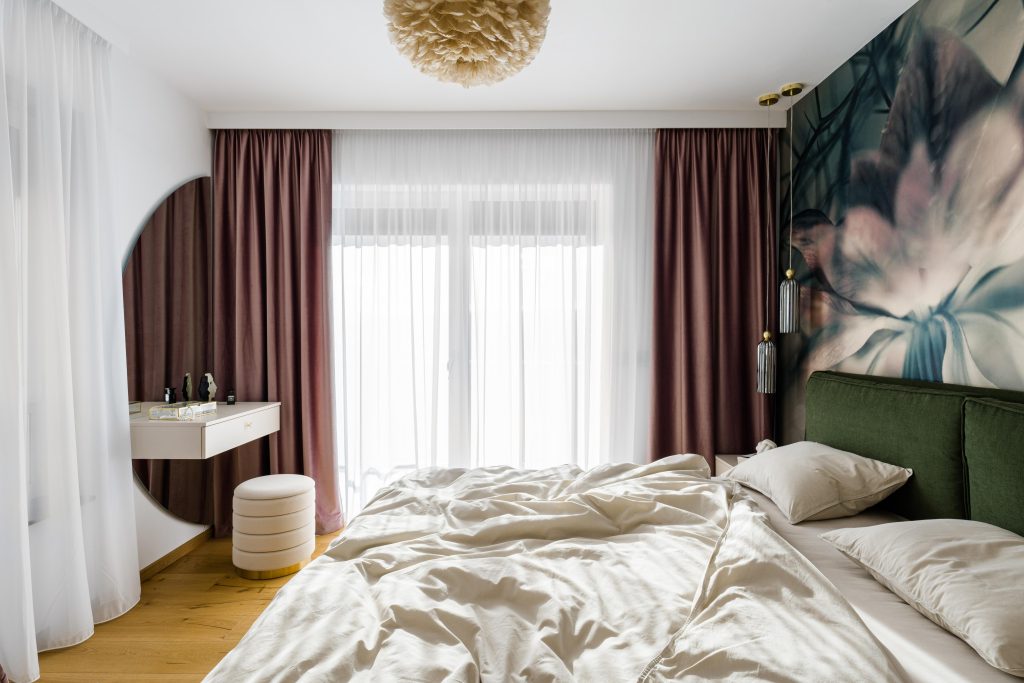
One of the most visible directions in 2026 interior design trends is the return of color. Publications covering Pinterest’s 2026 predictions mention shades such as cool blue, jade, plum noir, wasabi, and persimmon. It is a meaningful shift away from the years when highly neutral interiors dominated almost every type of project.
Still, the return of color does not mean every wall should be painted in a bold tone or every room needs maximum contrast. On the contrary, the most successful contemporary interiors use color in a controlled way, exactly where it can support the atmosphere.
For example, a jade tone can work beautifully in a kitchen or living area where the goal is a calm, fresh, but mature mood. It can appear on cabinetry fronts, upholstery, or textiles without taking over the entire composition. Plum noir adds depth and elegance and can be used on an accent wall, in upholstery, or in details that need more visual weight. Cool blue suits bright interiors where the aim is a sense of calm and clarity. Meanwhile, shades like persimmon or wasabi bring more energy and are often best introduced in smaller amounts through decorative objects, lighting pieces, artwork, or a single furniture accent.
The key is proportion. If you want to use 2026 trend colors without tiring the space, it helps to start with a neutral base and bring color in through elements that can be adjusted over time. An upholstered piece, curtains, chairs, a sideboard, or an accent wall are more flexible choices than a full intervention.
Personality over generic minimalism
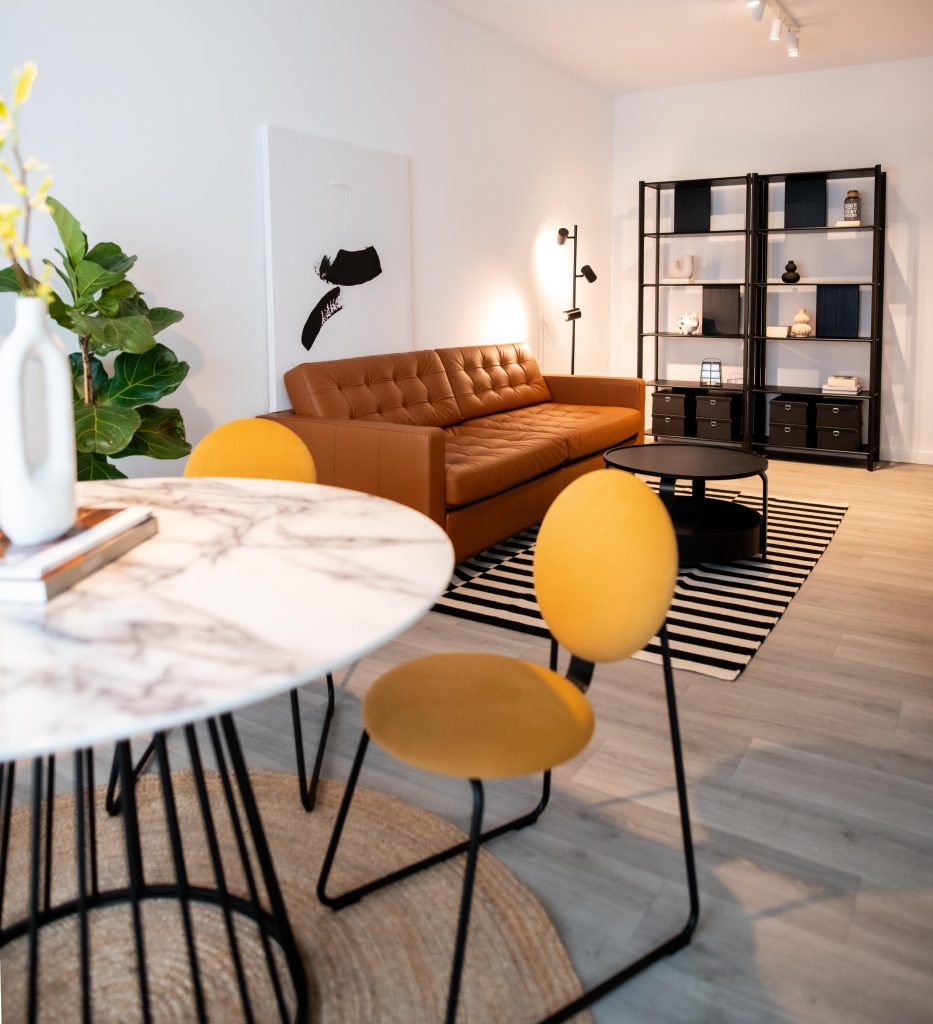
Another important direction in interior design for 2026 is the move away from highly uniform, highly predictable minimalism. Pinterest data and interpretations from design publications point to growing interest in interiors with identity: Neo-Deco influences, sculptural forms, metallic accents, statement pieces, and combinations that do not feel pulled from the same template.That does not mean a return to clutter. Personality is not the same as excess. A space with identity is built through thoughtful selection: a few pieces chosen with intention, not a collection of objects with no relationship to one another.
A sculptural light fixture can completely change the presence of a dining area or reception space. A curved coffee table, a brass wall light, a well-integrated vintage piece, or upholstery with rich texture can all bring character without breaking coherence. Just as important is the mix between contemporary elements and details with a sense of story. Instead of a generic setting, you get a space that reflects the client’s taste, the rhythm of everyday use, and the specific nature of the project.
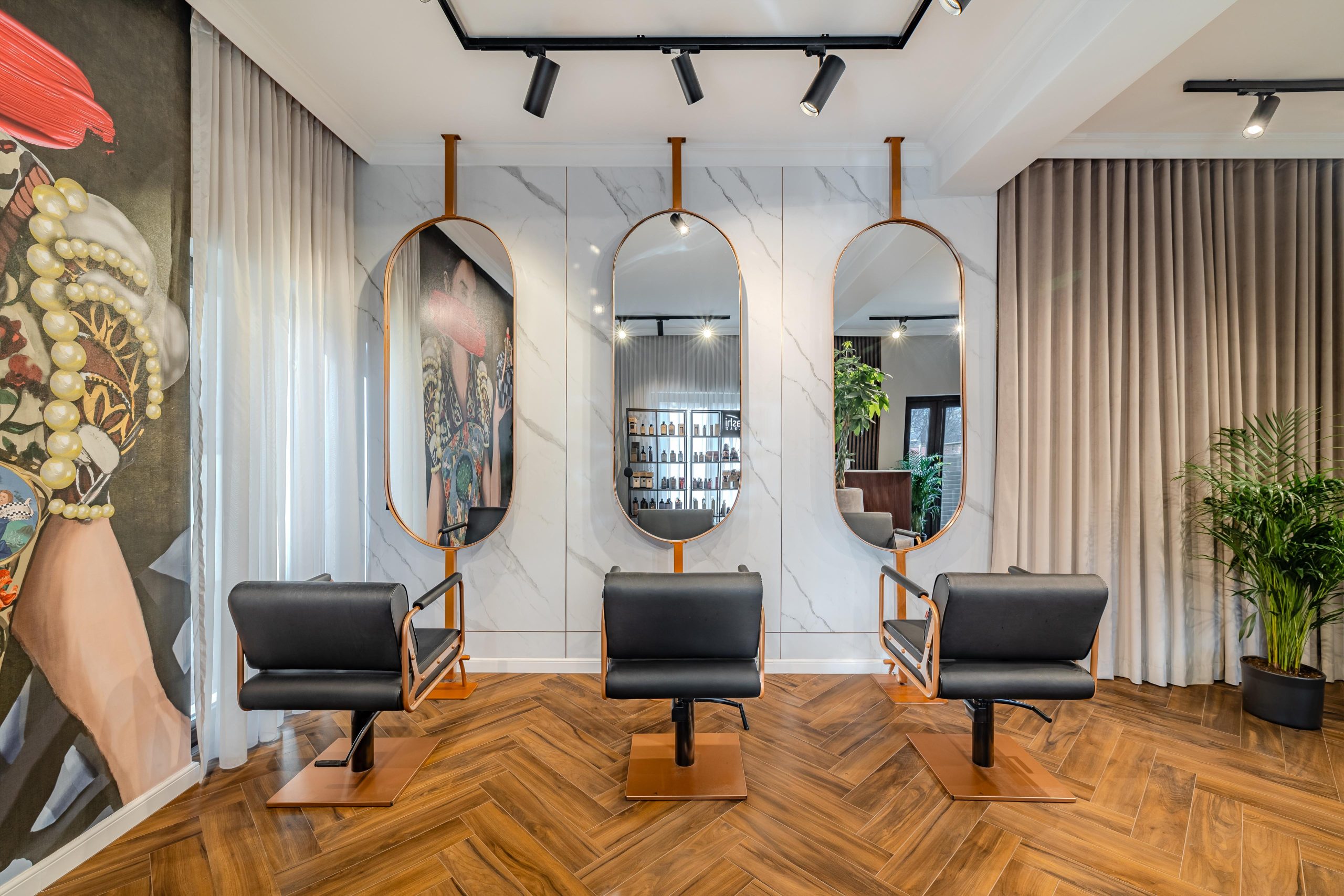
In homes, this direction means letting go of the idea that everything has to feel perfectly uniform. In a beauty salon or hospitality setting, it means building an atmosphere that is memorable but still controlled. Not simply “Instagrammable,” but coherent and easy to live with.
The role of the designer is essential here. Without a professional filter, personality can quickly slide into randomness. With a clear direction, however, a space gains visual rhythm, proportion, and an identity that lasts.
Texture and materiality are becoming the real differentiators
If many projects in recent years relied mainly on a clean visual image, 2026 brings stronger attention to materiality. In other words, it is not only the color of a space that matters, but how it feels visually and tactically.
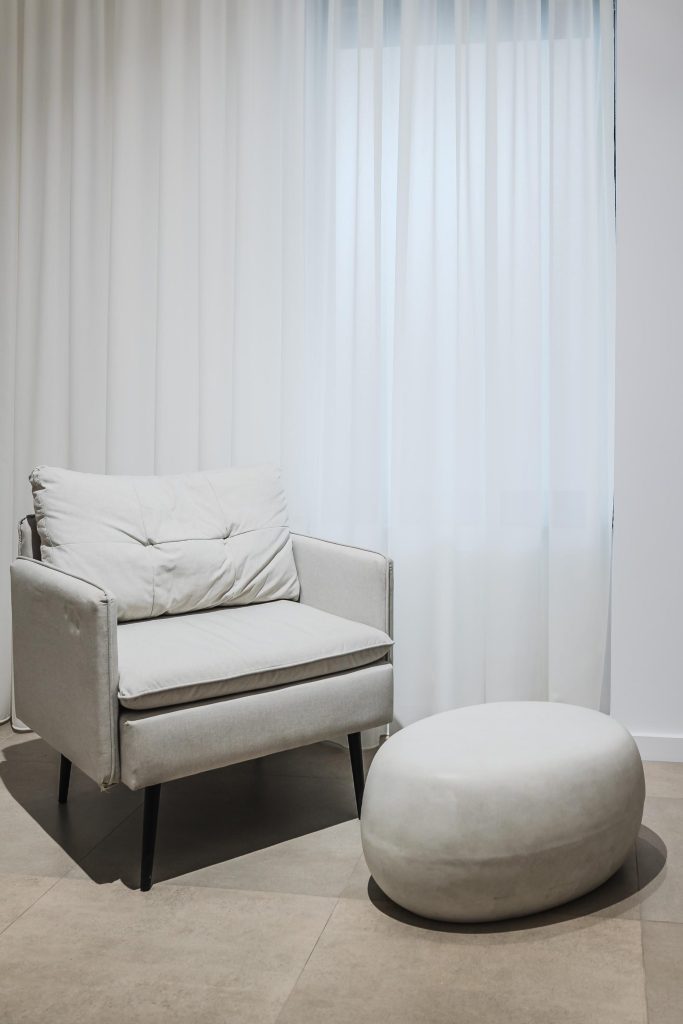
This is where authentic materials and finishes with depth come in: wood with visible grain, stone, rich textiles, matte surfaces, veneer, decorative plaster, and upholstery with character. These elements give an interior density and move it away from the feeling of a sterile showroom.
Texture is not only an aesthetic issue. It influences comfort, the way light is perceived, and the overall balance of the design. A living room in a neutral palette can feel cold if every surface is perfectly smooth and uniform. That same living room can become much warmer with flooring that has a natural texture, curtains with a soft fall, a sofa in a dense upholstery, and a rug that adds depth.
At the same time, the way light interacts with materials matters more than it may seem. A matte surface absorbs light differently from a glossy one. A stone finish with subtle variation creates a different atmosphere than a completely uniform cladding. That is why light should be treated as a design material, not only as a technical solution.
For clients, the benefit is twofold. On one hand, the space becomes more pleasant and more visually balanced. On the other, material choices can support durability and maintenance in real life. In a home, comfort and resistance matter. In hospitality or beauty spaces, it also matters how materials age, how they are cleaned, and how they keep their presence over time.
How to adapt international trends to real projects in Romania
Any selection of interior design trends should pass through a simple filter: is it right for the actual space, the budget, the lifestyle, and the local context? Not every global trend should be applied literally. In fact, the strongest projects are usually the ones that keep an enduring base and introduce novelty in a controlled way.
A useful rule is for trend-driven elements to occupy roughly 10–20% of the space. The rest should remain stable: a well-considered layout, the right materials, good proportions, storage, circulation, and a base palette that does not become tiring over time. This allows the interior to feel current without depending entirely on a passing fashion.
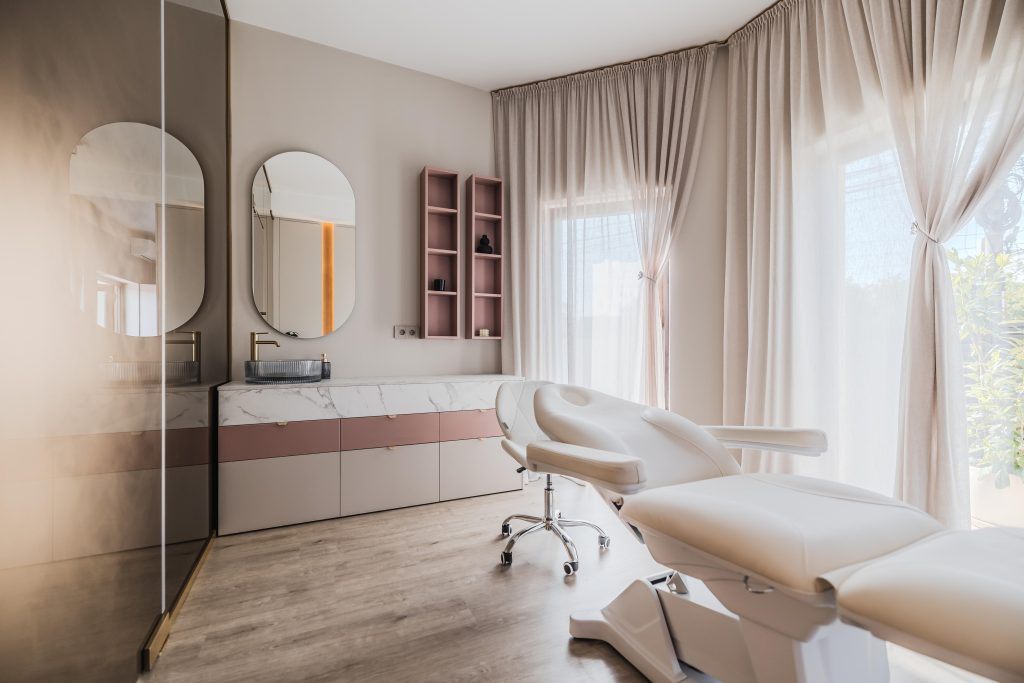
In a residential apartment, adaptation may mean a neutral base enriched with jade accents, wood with visible texture, and natural textiles that bring warmth. The trend is present, but it does not dominate.In a beauty salon, the direction might lean toward statement lighting, more dramatic tones, matte finishes, and a few memorable details that build brand identity. Here, personality matters, but it still has to be supported by function and by a comfortable client experience.
In a guesthouse or boutique hospitality space, materiality plays a central role. Wood, stone, textiles, and locally rooted elements reinterpreted in a contemporary way can create an authentic atmosphere without slipping into decorative folklore. A space designed for real life does not copy international trends. It translates them into a form that suits the place.
That, in essence, is what a good interior design process in Romania means: selection, not imitation. Trends need to be filtered through real needs, through the specifics of the project, and through what deserves to remain relevant a few years from now.
Conclusion
Interior design trends for 2026 bring three clear shifts: more color, more personality, and more attention to texture and materiality. It is a direction that supports interiors that are more expressive, but also more grounded in the way people actually live, work, or welcome guests.
The important part is that these trends should not be adopted as they are. They are worth following only when filtered through the real needs of the space and the client. A successful interior is not the one that checks every new trend, but the one that keeps its balance, supports function, and remains enjoyable over time.
If you want an interior that feels current, coherent, and designed with the long term in mind, the MiMa Design team can help turn trends into solutions that truly fit your project.
